



As horror continues cementing itself as one of the entertainment industry’s most creatively flexible and commercially resilient genres, a new wave of independent filmmakers is redefining what modern psychological horror can look like. Rather than relying solely on traditional jump scares or franchise formulas, emerging creators are increasingly embracing emotionally grounded storytelling, stylized visuals, and psychologically immersive narratives designed to resonate with younger audiences raised on elevated genre filmmaking.
Among the names steadily gaining traction within that evolving space is Gabby Bonelli, the 23-year-old actress and producer quietly building a reputation as one of indie horror’s most promising multi-hyphenate creatives.
Working through A List Productions, the New York-based filmmaker has become increasingly involved not only in acting, but also in story development, production strategy, creative branding, and audience-facing campaign direction across multiple genre-driven projects. Her creative identity has quickly become associated with psychologically layered storytelling that explores paranoia, fractured identity, emotional instability, and female-centered tension — themes that continue finding strong traction within today’s horror landscape.
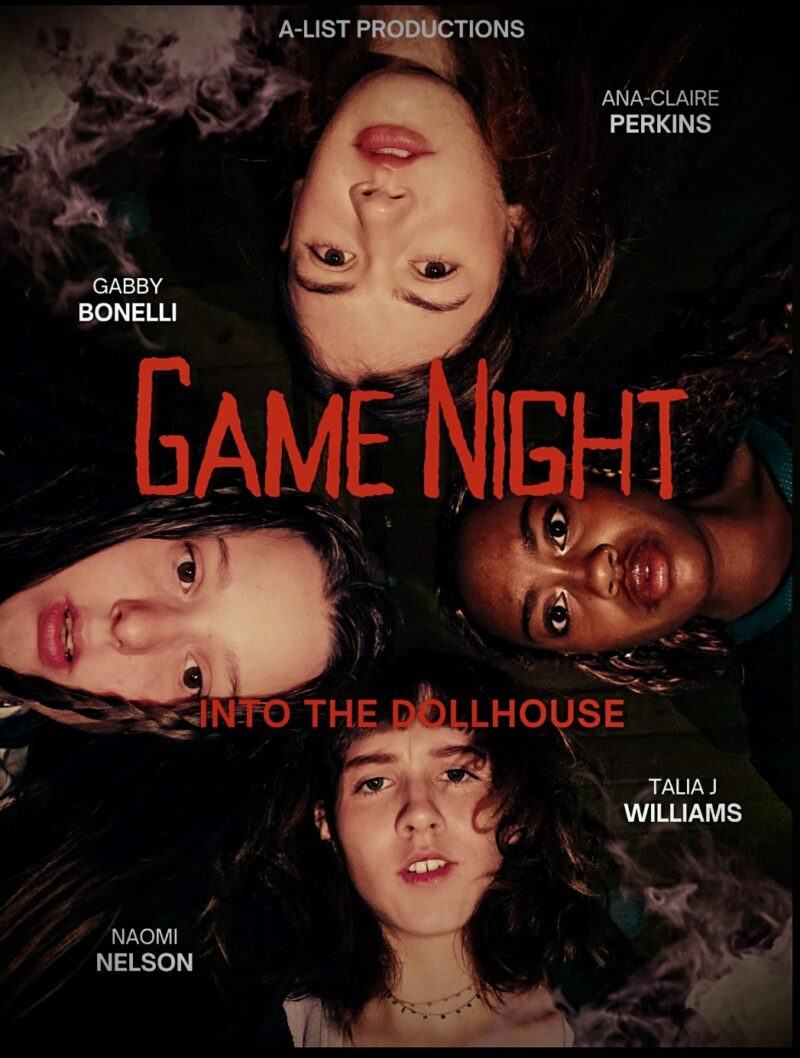
Bonelli first began attracting wider industry attention through Game Night: Into the Dollhouse, the psychological thriller she co-wrote and produced alongside director Dylan Asfur. The project follows a group of girls whose seemingly harmless game night spirals into manipulation, fear, and psychological collapse. Combining claustrophobic tension with stylized dollhouse-inspired imagery, the film generated early online attention for its heightened visual aesthetic and emotionally charged atmosphere.
For Bonelli, the project represented a major creative milestone. Beyond her on-screen role, the film showcased her increasing involvement behind the camera — particularly in shaping promotional rollout strategy, visual identity, and audience positioning. The approach reflects a broader industry shift in which emerging independent filmmakers are building sustainable careers by operating as fully integrated creative brands rather than traditional single-role talent.
That momentum continued with False Lucidity, the psychological horror feature directed by Josh DeWoody. The film leans heavily into distorted reality, unstable perception, and emotional unraveling, prioritizing surreal imagery and cerebral tension over conventional horror formulas. The project further solidified Bonelli’s growing presence within the independent psychological thriller space while reinforcing the tonal consistency developing across her body of work.
Industry observers have increasingly noted the way Bonelli’s projects tap into the current appetite for horror rooted in emotional realism and psychological unease rather than purely supernatural spectacle. Much of her work focuses on atmosphere, interpersonal breakdown, and the internal fears of its characters — a direction that aligns closely with the evolving tastes of younger horror audiences.
At the same time, Bonelli’s growing influence appears tied not only to the films themselves, but to her understanding of digital-era audience engagement. Through visually cohesive branding, social media-driven marketing strategies, and strong genre positioning, she has helped cultivate an identifiable creative identity at a relatively early stage in her career.
As independent horror continues serving as one of the industry’s strongest launchpads for emerging talent, Bonelli’s trajectory reflects how modern filmmakers are increasingly blending performance, production, branding, and storytelling into singular creative ecosystems.
With multiple psychological thriller projects continuing to develop under A List Productions, Bonelli’s profile within the indie horror landscape appears poised for continued expansion. While still early in her career, her growing slate suggests a filmmaker focused less on traditional genre conventions and more on building emotionally driven horror experiences designed to linger long after the screen cuts to black.